ES:
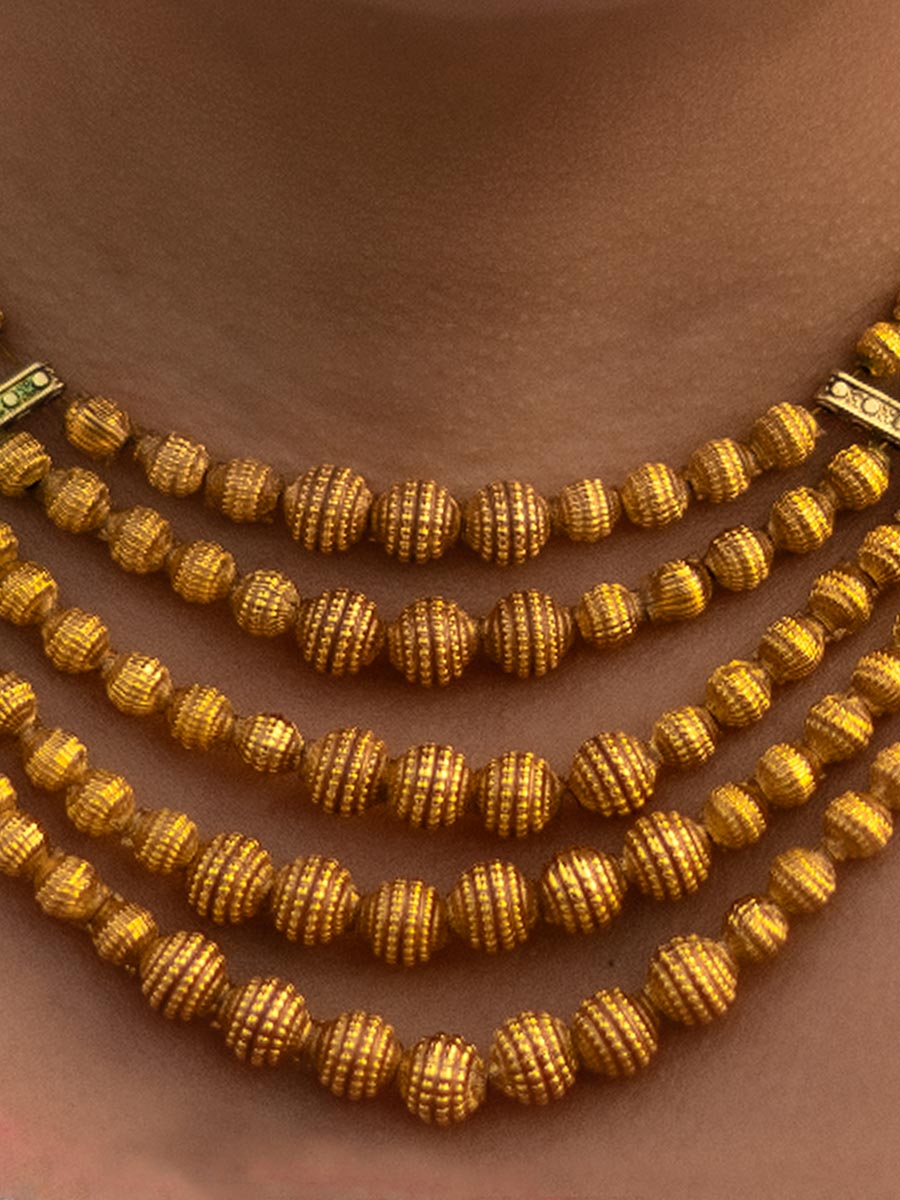
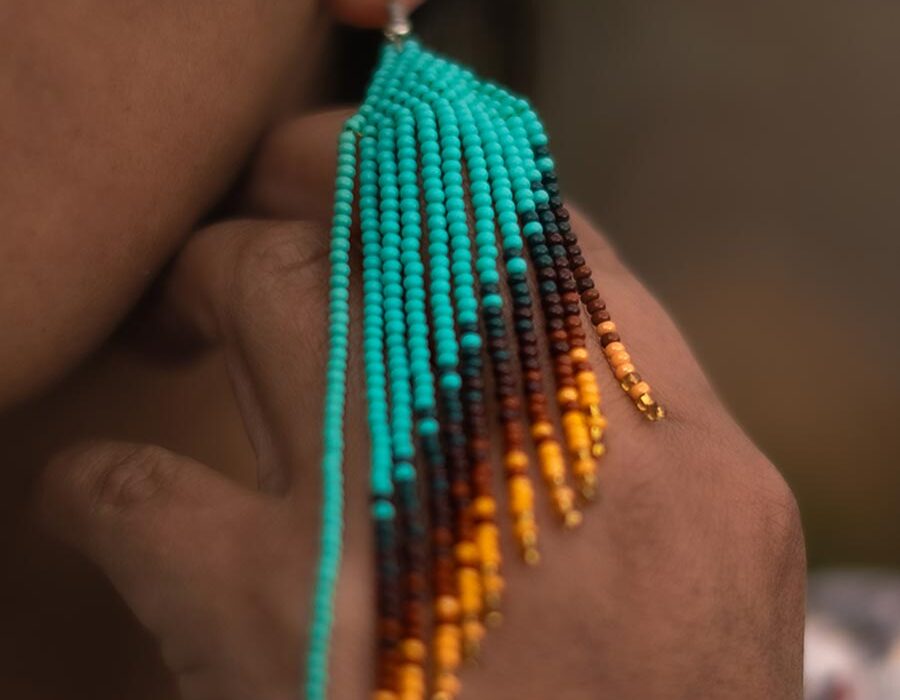
Wallkas, makiwatanas, aretes y collares de mullos forman parte de la vestimenta tradicional de las mujeres del pueblo Kichwa Otavalo. Su presencia es ampliamente reconocida dentro y fuera de las comunidades andinas, donde los colores, las formas y los materiales de estos elementos han acompañado durante generaciones distintas expresiones de identidad cultural.
A menudo, estos objetos son observados únicamente desde una dimensión estética. Sus colores llaman la atención, al igual que la precisión de los diseños y el trabajo artesanal que requiere su elaboración. Sin embargo, una mirada más cercana permite entender que su significado va más allá de la apariencia.
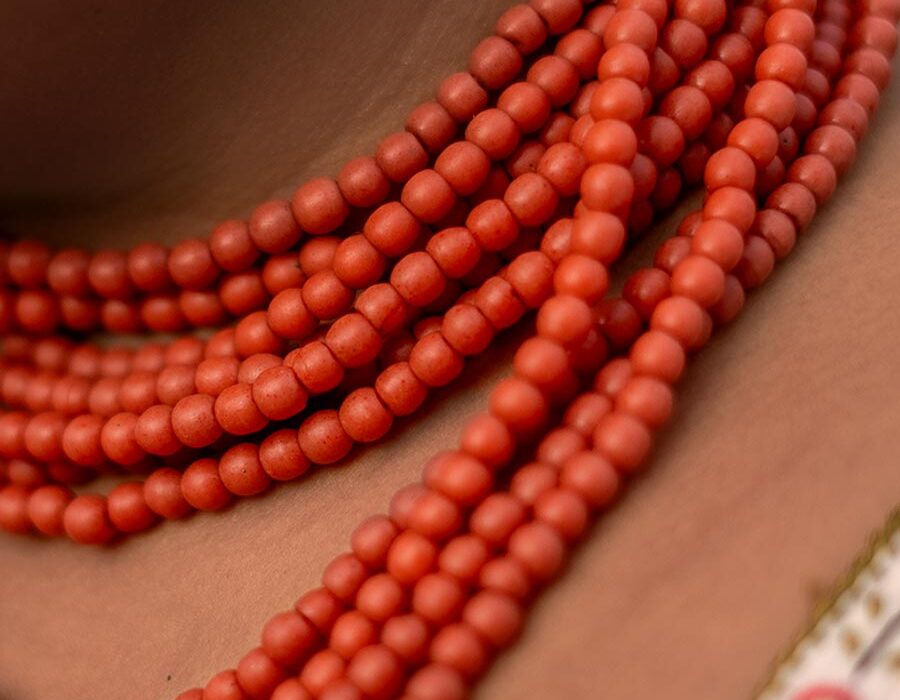
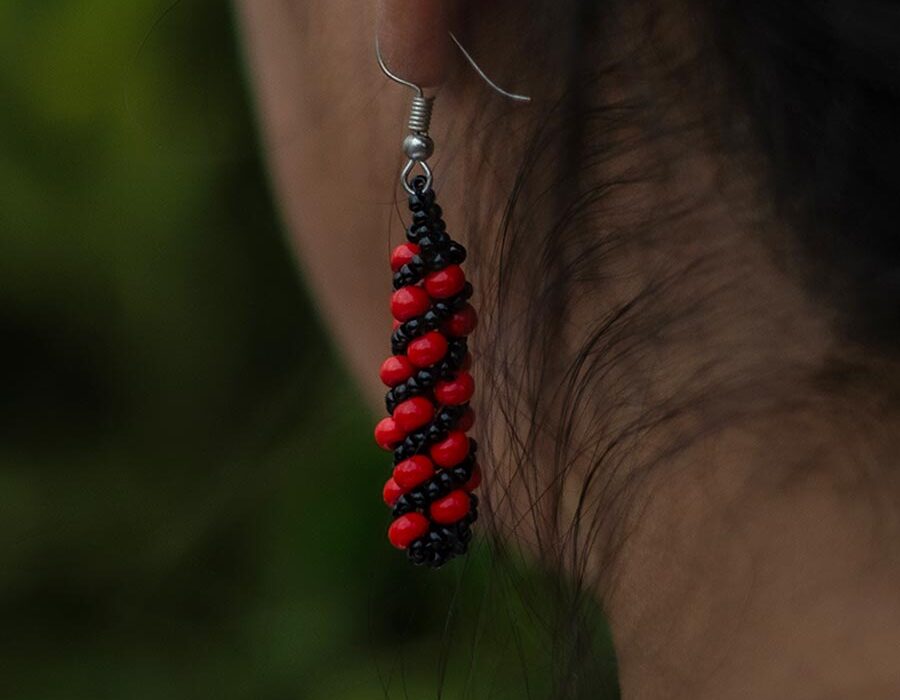
Detenerse en los detalles: la textura de los mullos, la disposición de los colores, las formas que adquieren al ser usados y la relación que establecen con quienes los llevan. Son elementos que acompañan la vida cotidiana y que forman parte de una manera particular de habitar el territorio.
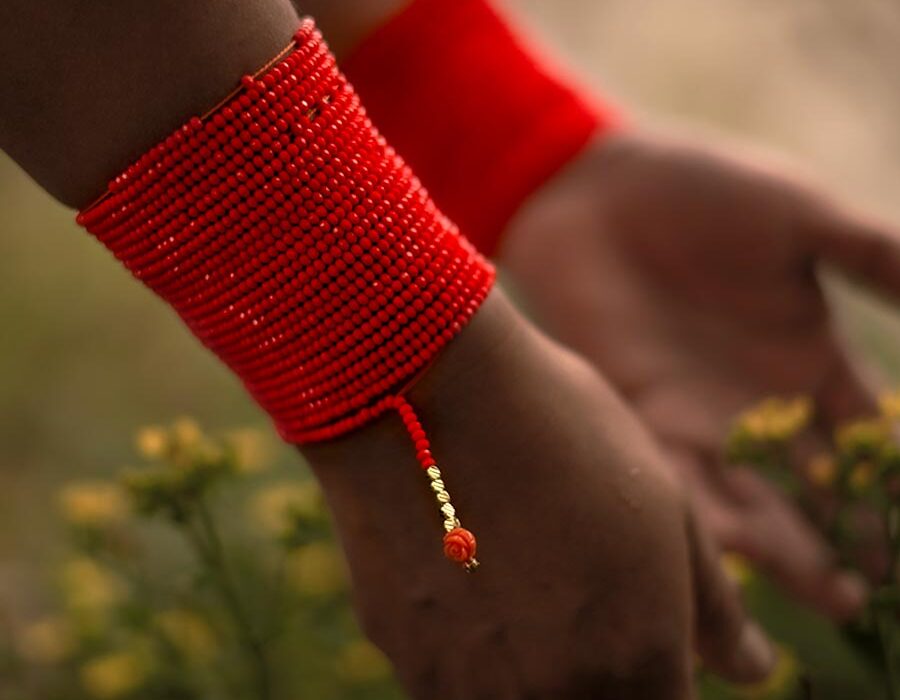
En una de las imágenes, podemos ver unas manos que llevan makiwatanas de coor rojo y sostienen una planta en la chacra. La escena puede parecer sencilla, pero recuerda algo fundamental: estos objetos no existen únicamente para ocasiones especiales o espacios ceremoniales. También están presentes en actividades diarias, en el trabajo, en los recorridos por el campo y en las múltiples tareas que forman parte de la vida comunitaria.
Observar estos elementos de cerca también permite reconocer los conocimientos y oficios que hacen posible su existencia. Detrás de cada pieza hay procesos de elaboración, aprendizajes transmitidos entre generaciones y decisiones que hablan de gustos, pertenencias y formas de representación cultural.
EN:
Wallkas, makiwatanas, earrings, and beaded necklaces are part of the traditional clothing worn by women of the Kichwa Otavalo people. Their presence is widely recognized both within and beyond Andean communities, where the colors, shapes, and materials of these adornments have accompanied different expressions of cultural identity for generations.
These objects are often viewed solely through an aesthetic lens. Their colors draw attention, as do the precision of their designs and the craftsmanship required to create them. However, a closer look reveals that their significance extends beyond appearance.
Taking time to observe the details—the texture of the beads, the arrangement of colors, the shapes they take when worn, and the relationship they establish with those who wear them—offers another perspective. These are elements that accompany everyday life and form part of a particular way of inhabiting and relating to the territory.
In one of the photographs, we see hands wearing red makiwatanas while holding a plant in a chacra. The scene may appear simple, but it reminds us of something fundamental: these objects are not reserved only for special occasions or ceremonial spaces. They are also present in daily activities, in work, in journeys across the countryside, and in the many tasks that shape community life.
Looking closely at these elements also means recognizing the knowledge and skills that make their existence possible. Behind each piece are processes of creation, knowledge passed down through generations, and choices that speak to identity, belonging, and forms of cultural representation.