ES:
El 18 de octubre de 2025, miles de personas acompañaron desde Cachiviro el cuerpo de José Alberto Guamán, comunero de esta comunidad de San Pablo del Lago, hasta su sepultura. Cuatro días antes, José había viajado a Otavalo junto a otros comuneros para participar en las movilizaciones del paro nacional. Allí resultó herido durante los enfrentamientos ocurridos el 14 de octubre. Murió al día siguiente en Quito.
José tenía 30 años, era padre de dos hijos y trabajaba como transportista. Quienes lo conocieron también lo recuerdan por su vínculo con el fútbol y por la relación que mantenía con amigos y vecinos de su comunidad.
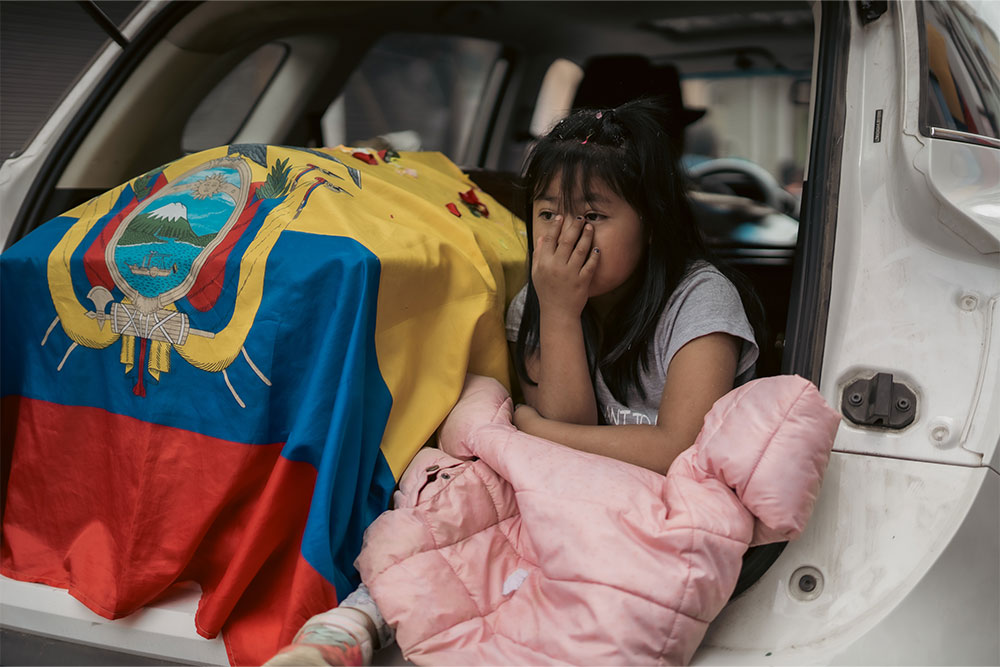
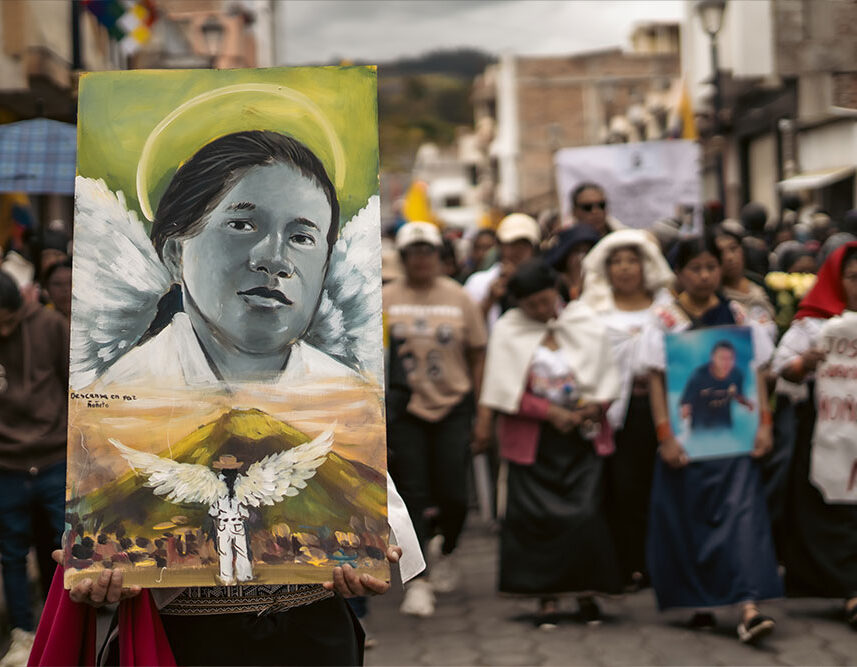
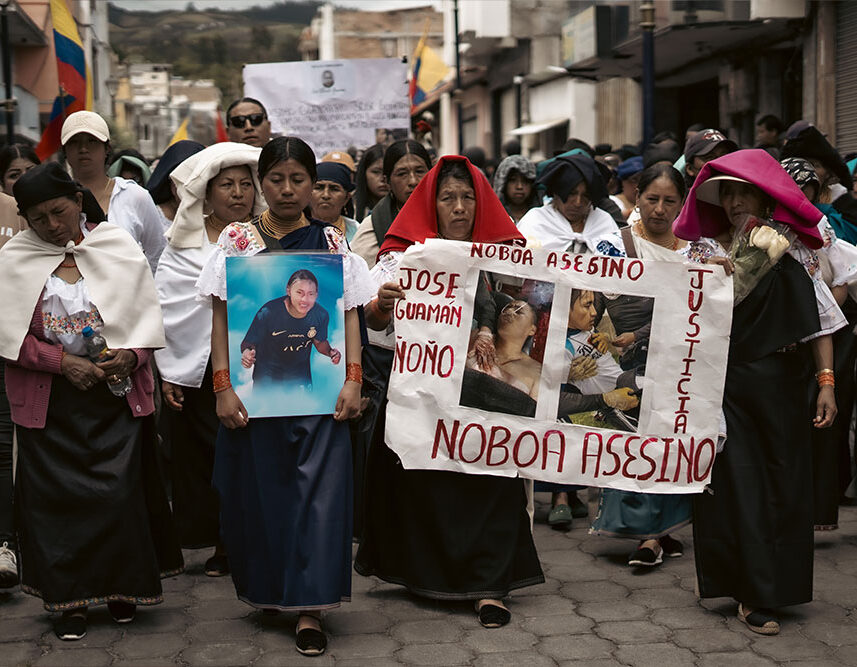
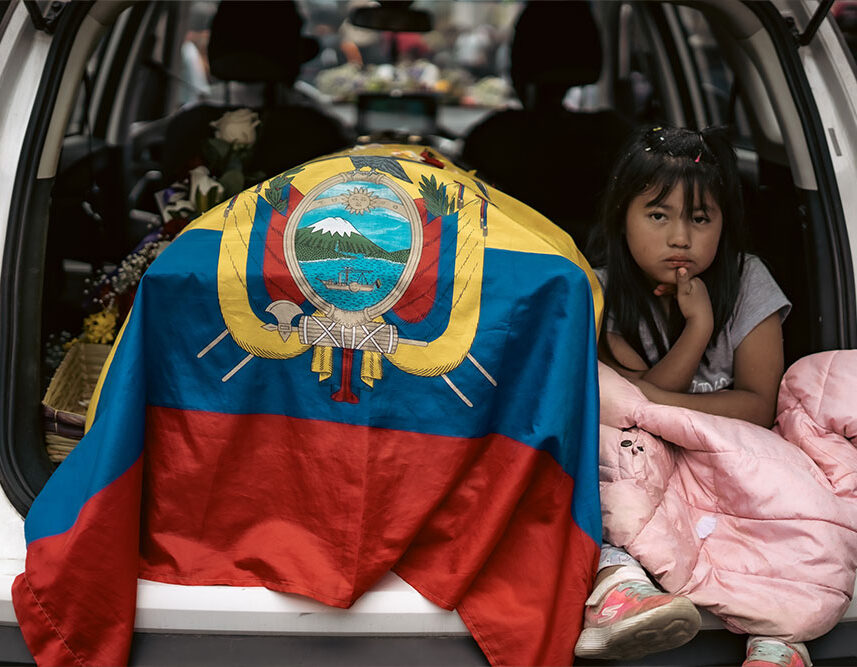
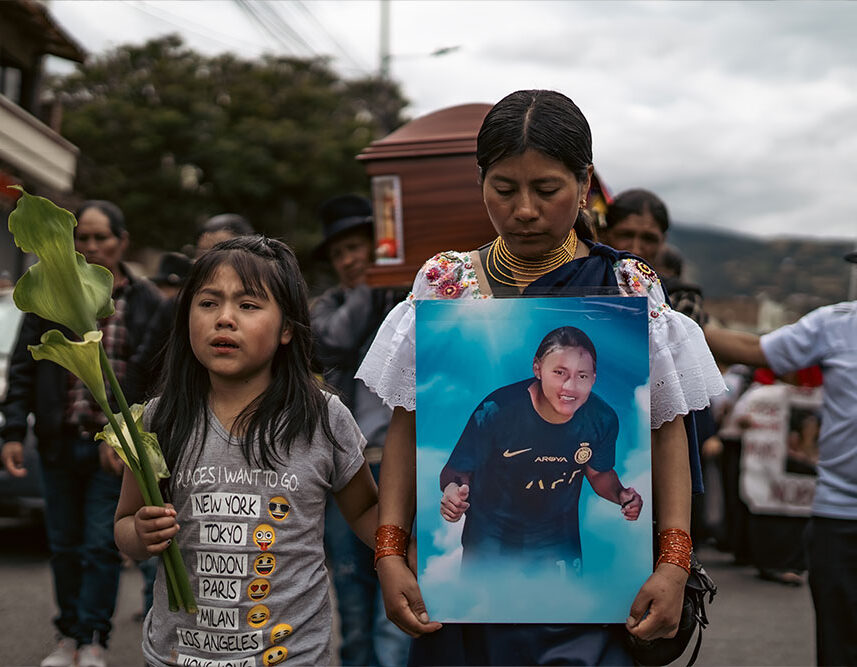
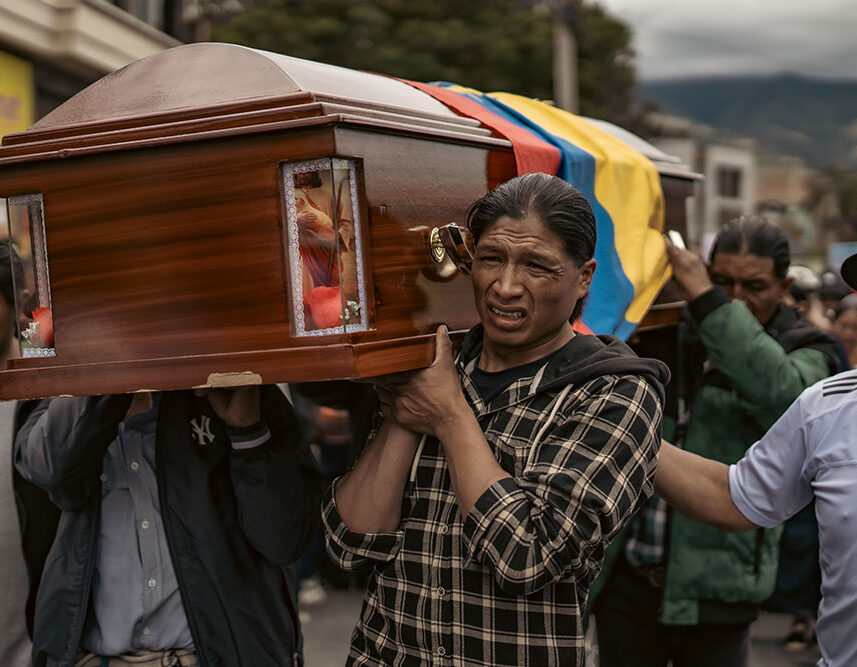
Cuando su cuerpo regresó a Imbabura, el duelo dejó el espacio privado de la familia y se convirtió en una movilización colectiva. Desde Cachiviro, comuneros y personas de otras comunidades caminaron junto al féretro. La procesión avanzó entre música, flores, lágrimas y momentos de silencio, hasta llegar al lugar donde sería enterrado.
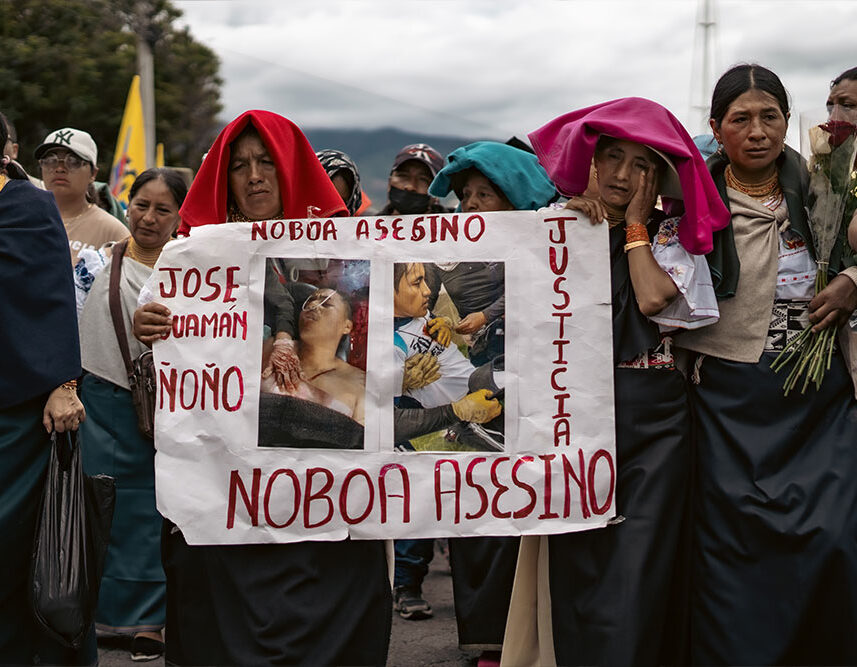
La muerte de José ocurrió durante una de las jornadas más intensas del paro en Imbabura. El 14 de octubre, Otavalo fue escenario de varias horas de enfrentamientos entre manifestantes y fuerzas de seguridad, con decenas de personas heridas y detenidas. Las circunstancias exactas de su muerte fueron objeto de denuncias y pedidos de investigación; desde el Gobierno se señaló que las responsabilidades debían determinarse mediante las investigaciones correspondientes.
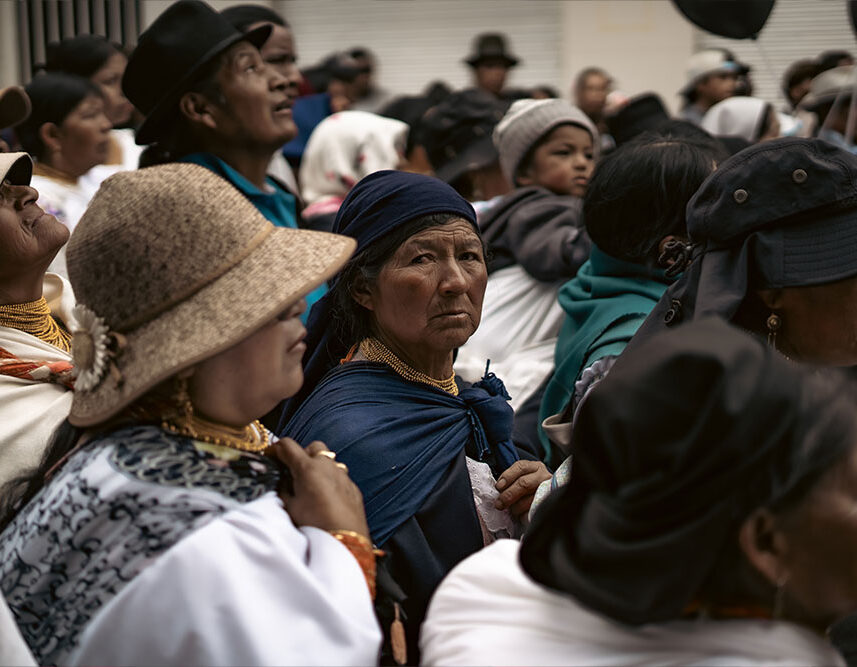
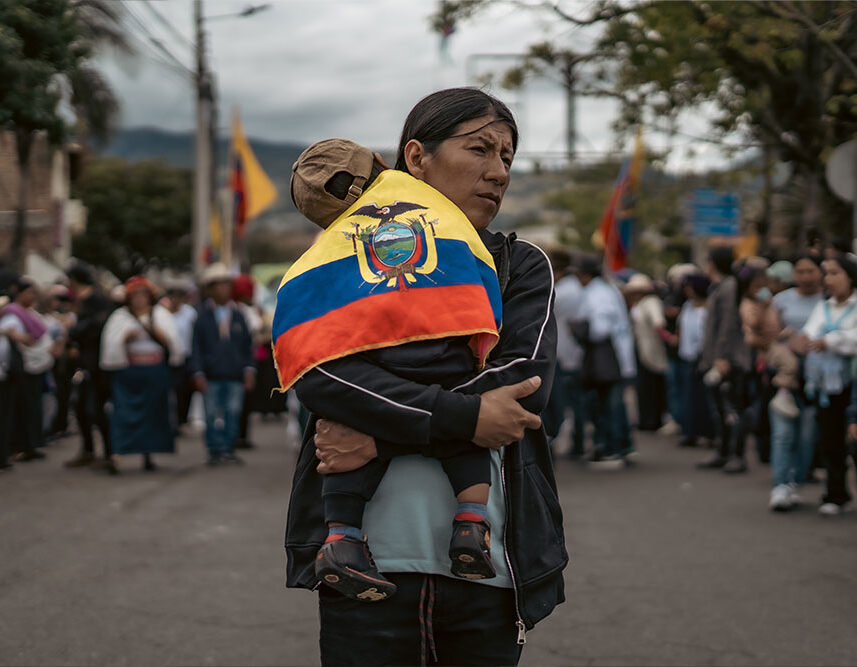
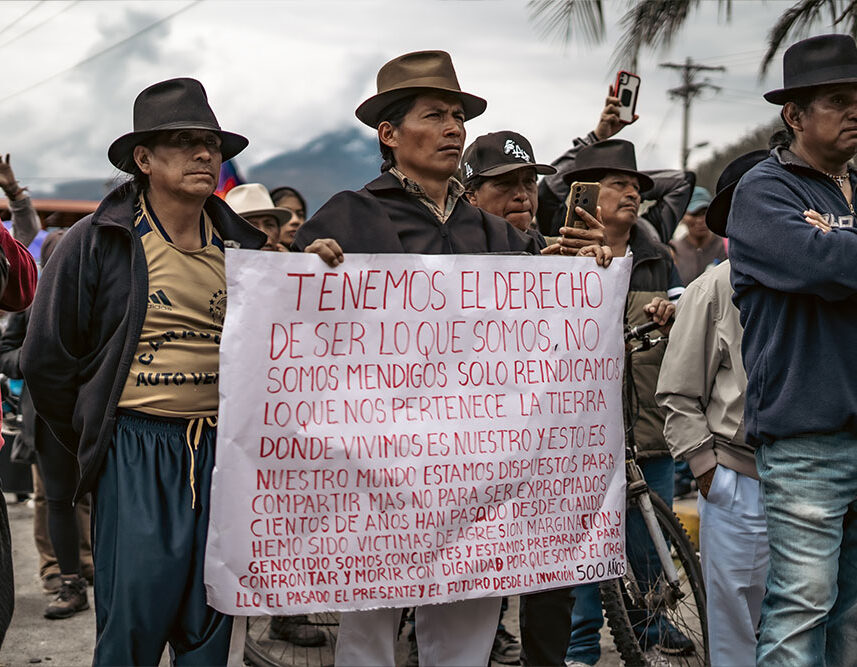
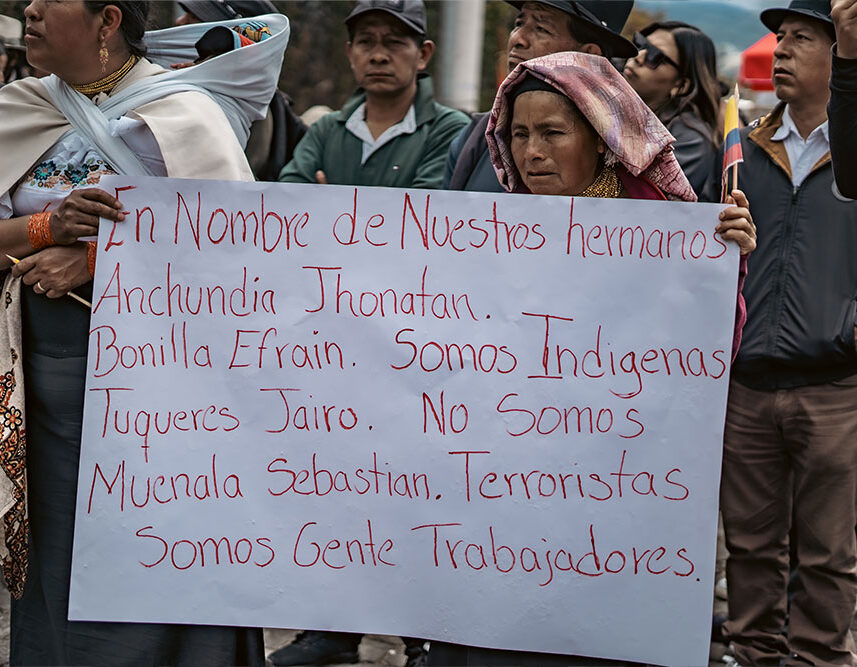
Pero estas imágenes fueron realizadas después de los enfrentamientos. Lo que aparece en ellas es otro momento: una comunidad caminando detrás de un féretro, familias enteras ocupando el camino, jóvenes, mayores, amigos y vecinos compartiendo una misma jornada de duelo.
En Otavalo y en las comunidades de Imbabura, la muerte de José quedó vinculada a una movilización que ya llevaba varias semanas y a una historia más amplia de organización indígena y defensa de derechos. El 17 de octubre, comunidades de distintos pueblos y nacionalidades se reunieron nuevamente en Otavalo para rendir homenaje a José y a Efraín Fuérez, otra de las personas fallecidas durante las protestas.
EN:
On October 18, 2025, thousands of people accompanied the body of José Alberto Guamán from Cachiviro, his community in San Pablo del Lago, to his burial. Four days earlier, José had traveled to Otavalo with other community members to take part in the national strike. There, he was injured during the clashes that took place on October 14. He died the following day in Quito.
José was 30 years old, a father of two, and worked as a truck driver. Those who knew him also remember his love of football and the relationships he maintained with friends and neighbors in his community.
When his body returned to Imbabura, mourning moved beyond the private space of the family and became a collective act. From Cachiviro, community members and people from surrounding communities walked alongside his coffin. The procession moved through music, flowers, tears, and moments of silence until reaching the place where he would be buried.
José’s death occurred during one of the most intense days of the national strike in Imbabura. On October 14, Otavalo became the scene of several hours of clashes between protesters and security forces, with dozens of people injured and detained. The circumstances surrounding his death became the subject of allegations and calls for investigation; government officials stated that responsibility should be established through the corresponding investigations.
But these photographs were taken after the clashes. What they record is a different moment: a community walking behind a coffin, entire families filling the road, young people, elders, friends, and neighbors sharing the same day of mourning.
In Otavalo and across the communities of Imbabura, José’s death became connected to a mobilization that had already lasted several weeks and to a broader history of Indigenous organization and demands for rights. On October 17, communities representing different Indigenous peoples and nationalities gathered again in Otavalo to pay tribute to José and to Efraín Fuérez, another person who died during the protests.