ES:
Durante tres días, la casa comunal de Caluquí se convirtió en un espacio de encuentro, aprendizaje y creación colectiva. Lo que comenzó como una actividad artística terminó revelando algo más profundo: una forma de acercar a las nuevas generaciones a la historia de su comunidad y a los procesos que han marcado su relación con el agua.
La iniciativa formó parte de las actividades desarrolladas alrededor del documental Yakumanta, una palabra kichwa que puede traducirse como “Por el agua”. Antes de que el primer trazo llegara al muro, niños y niñas de la comunidad participaron en talleres de dibujo guiados por un muralista profesional. A través del arte comenzaron a explorar preguntas sobre el territorio, el páramo, las fuentes de agua y las experiencias comunitarias que han acompañado la gestión y defensa de este recurso a lo largo del tiempo.
El mural fue concebido como una construcción colectiva.
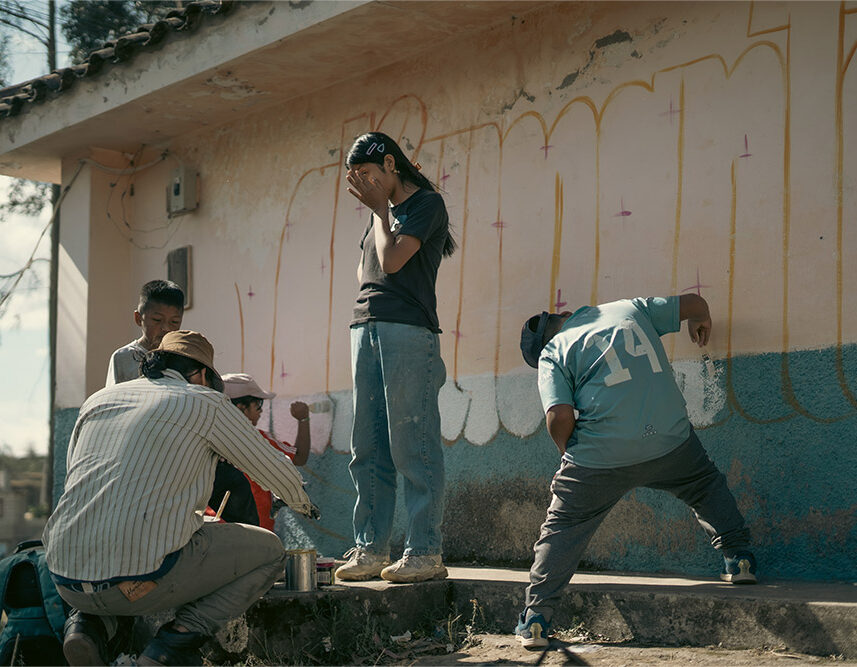
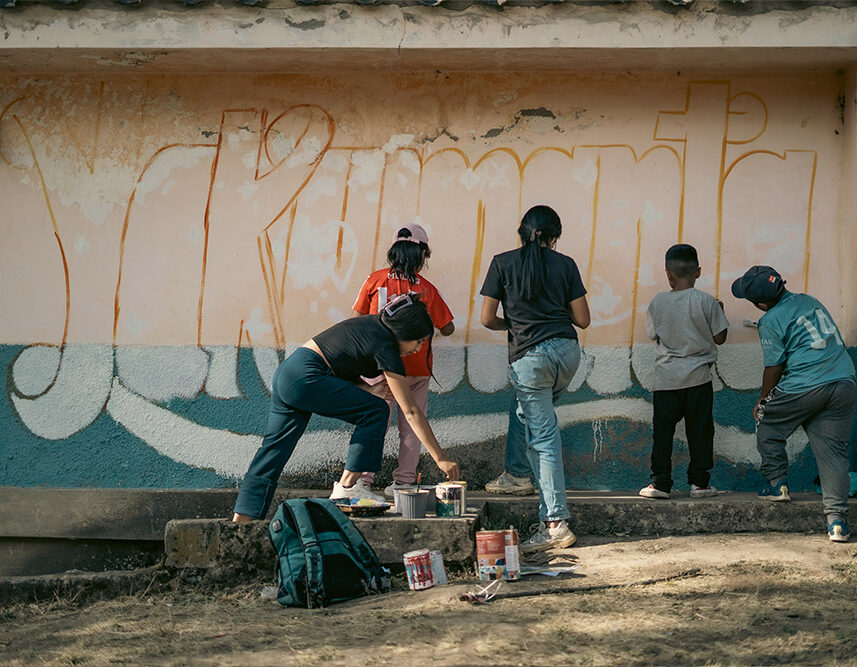
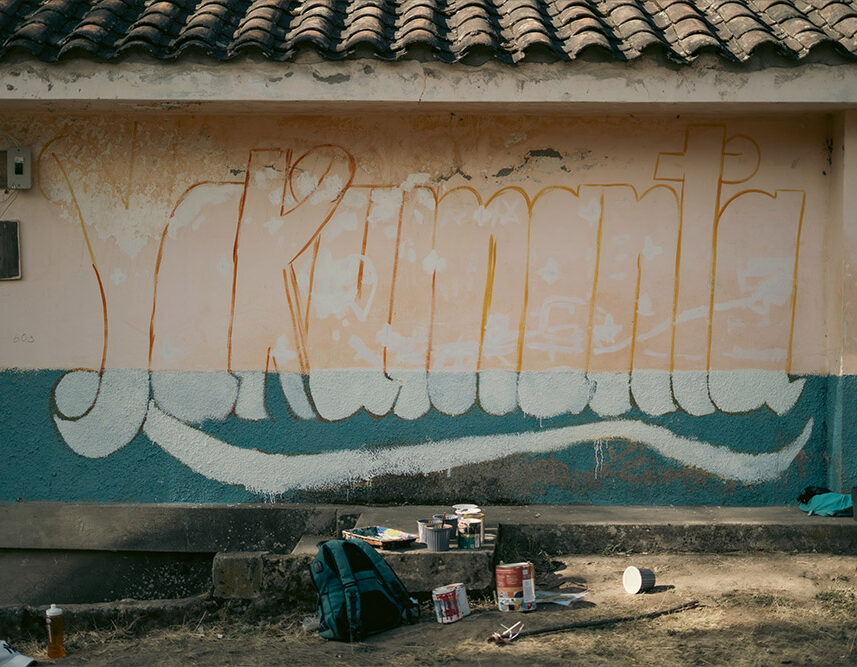
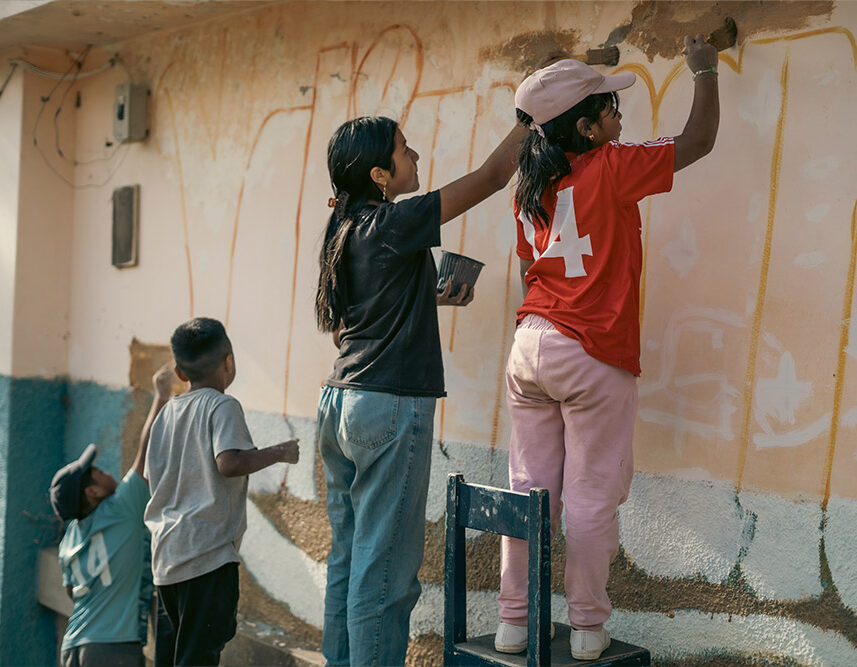
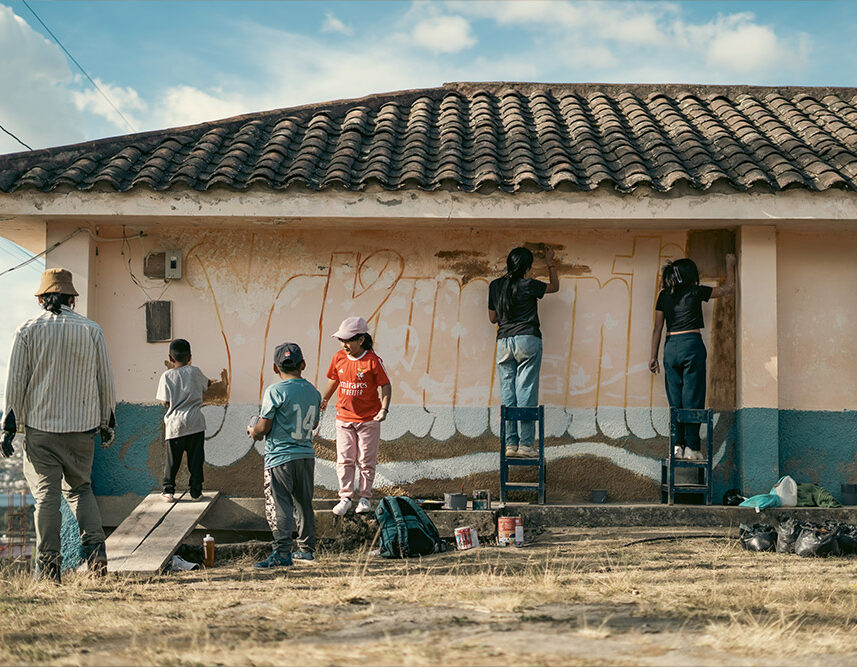
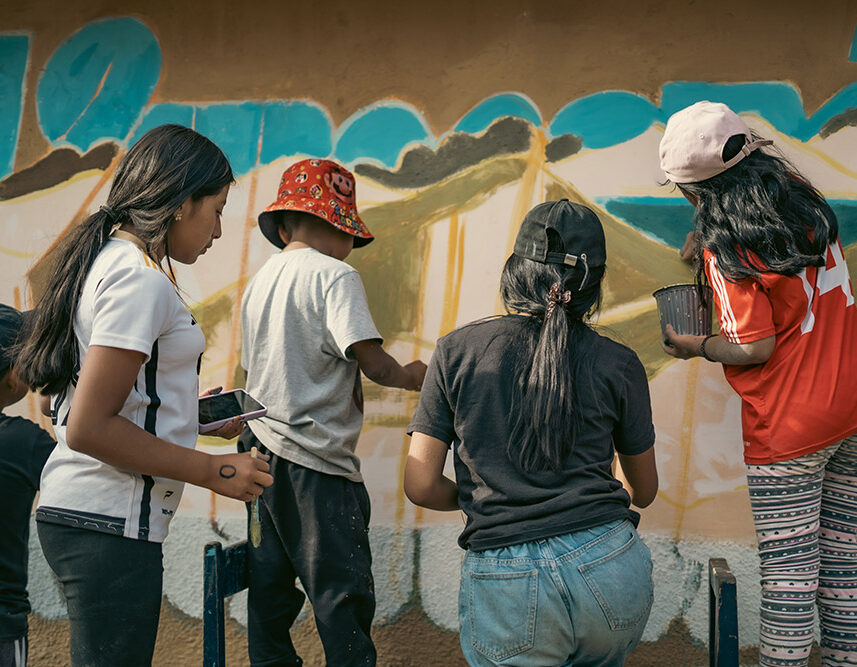
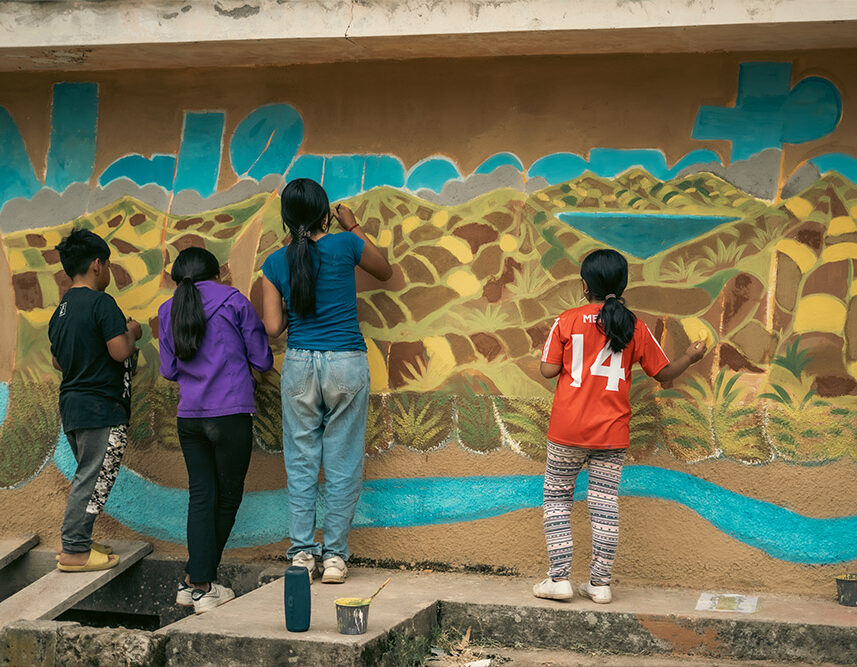
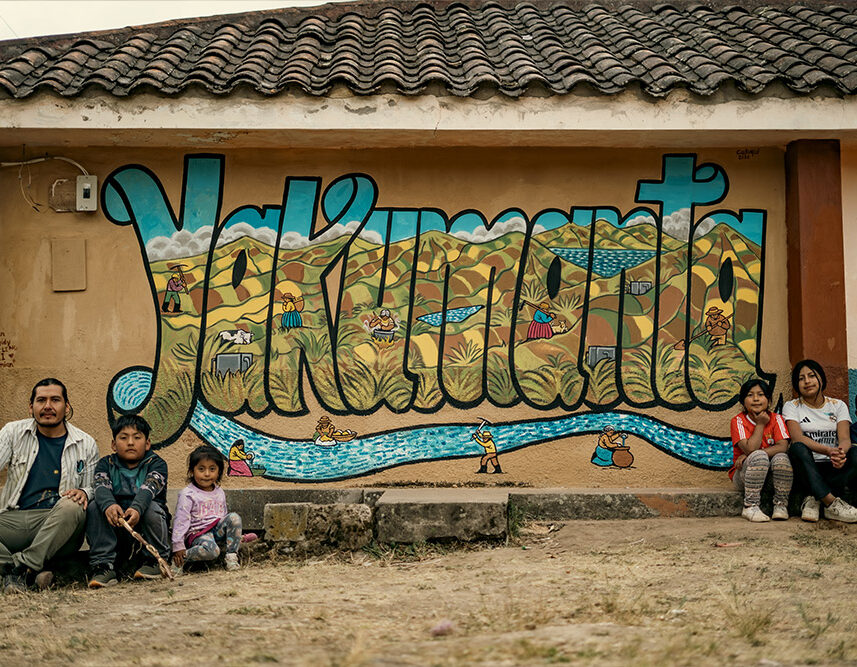
Sobre la pared de la casa comunal apareció la palabra Yakumanta. En sus letras comenzaron a tomar forma paisajes conocidos por quienes viven en Caluquí: el páramo, los reservorios de agua, el trabajo comunitario y algunos de los elementos que forman parte de la historia local. Más que una ilustración, el mural se convirtió en una narrativa visual construida desde la memoria del territorio.
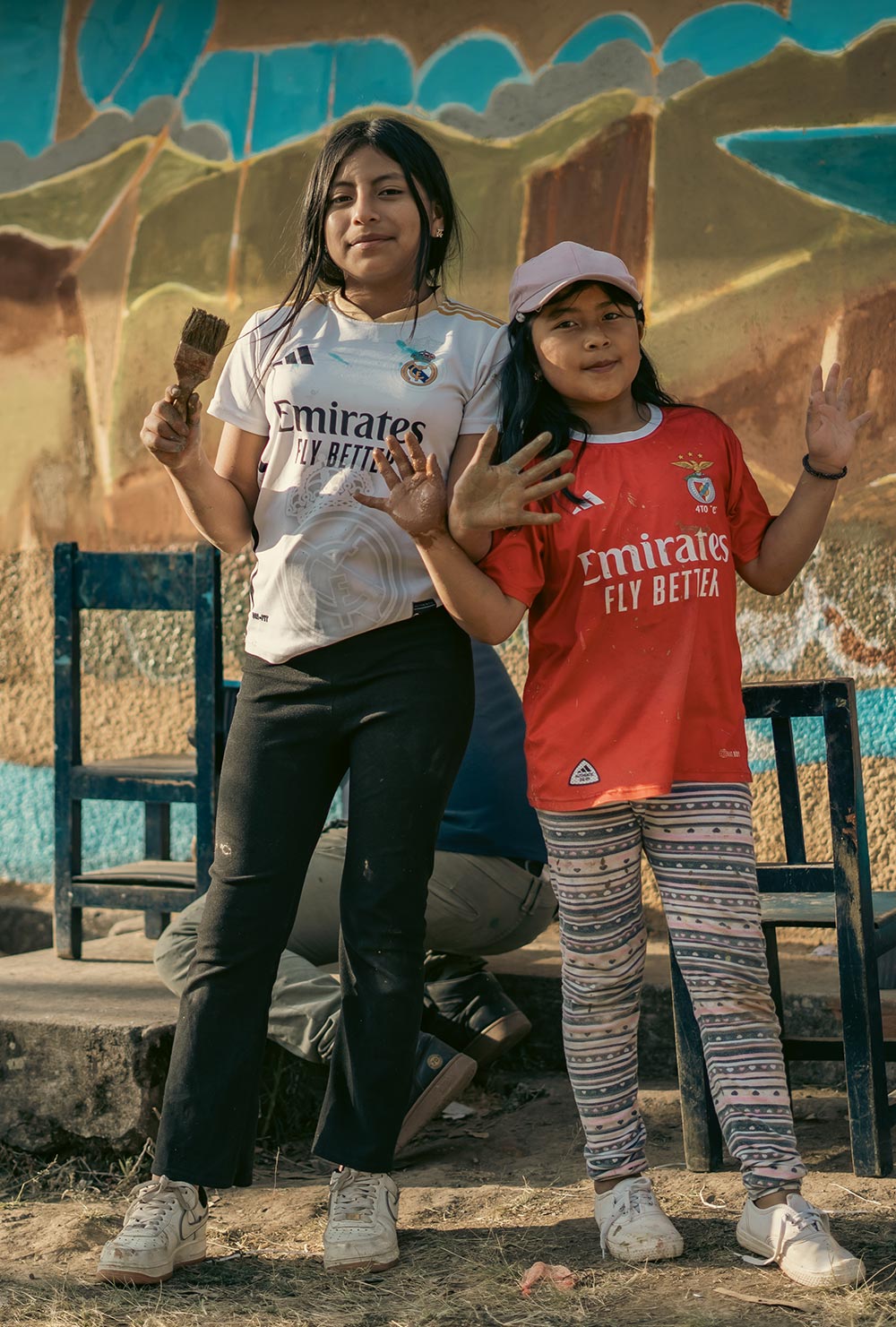
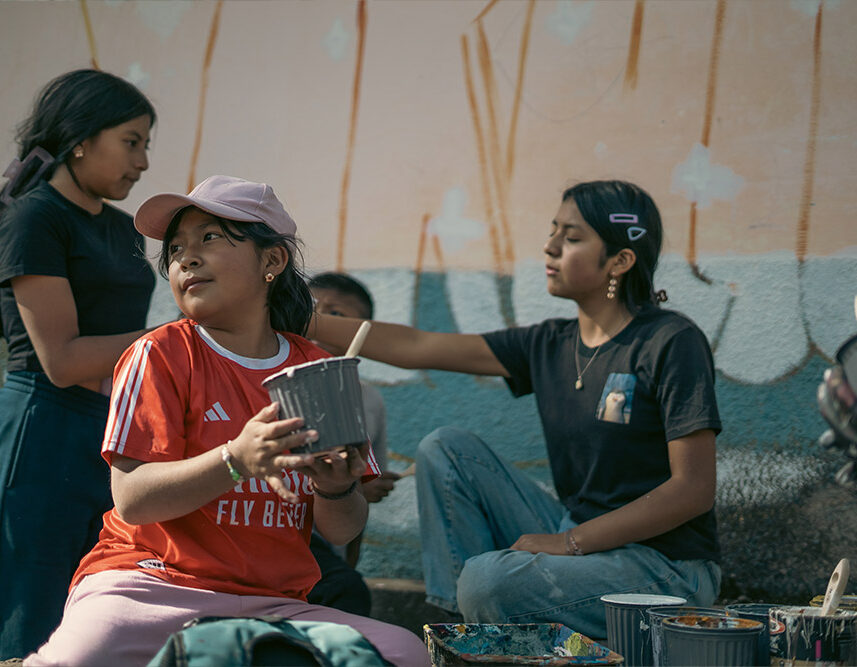
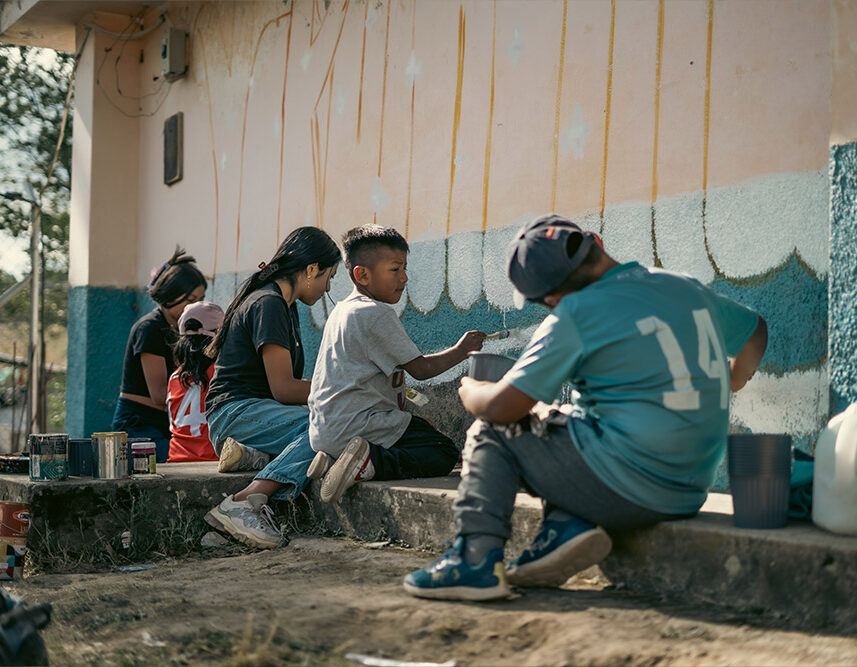
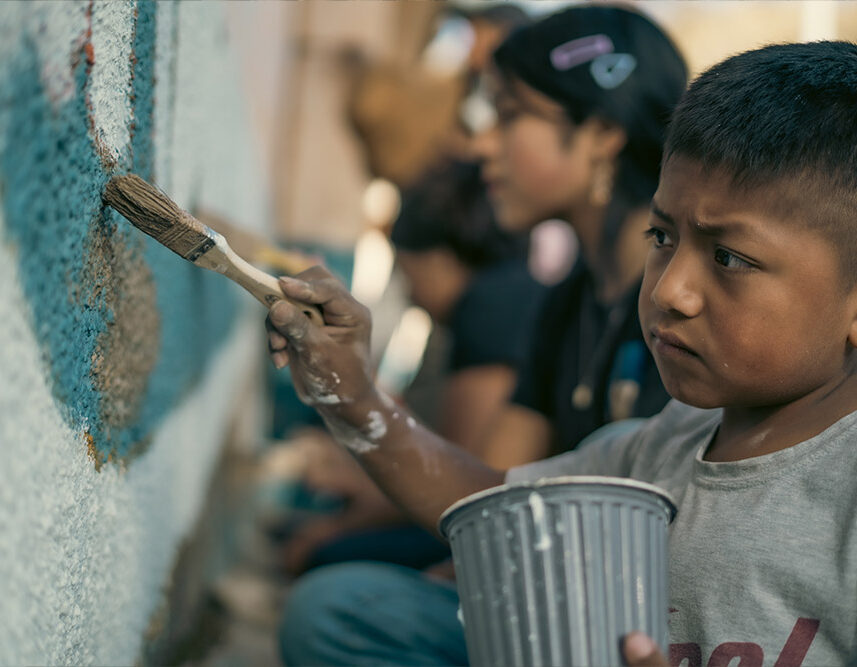
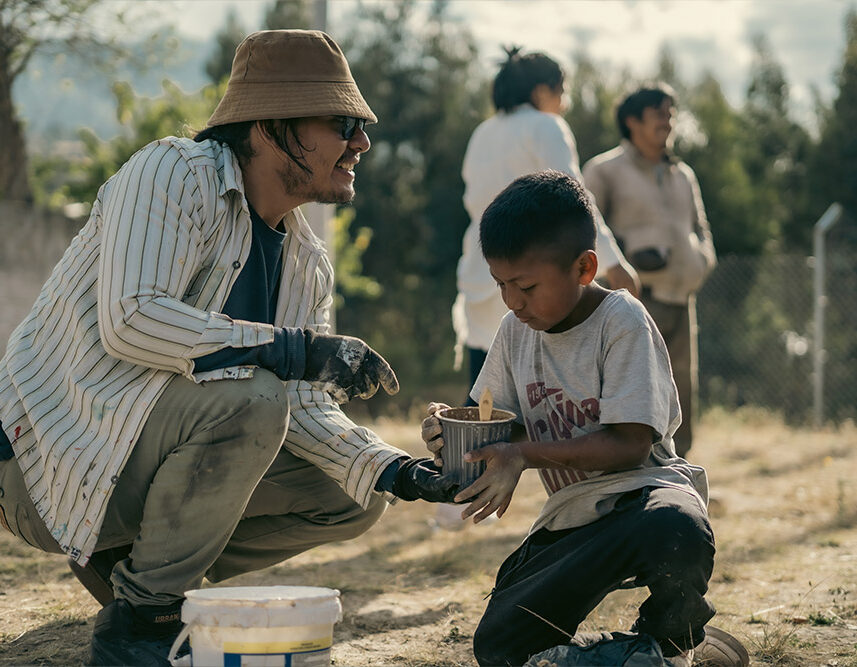
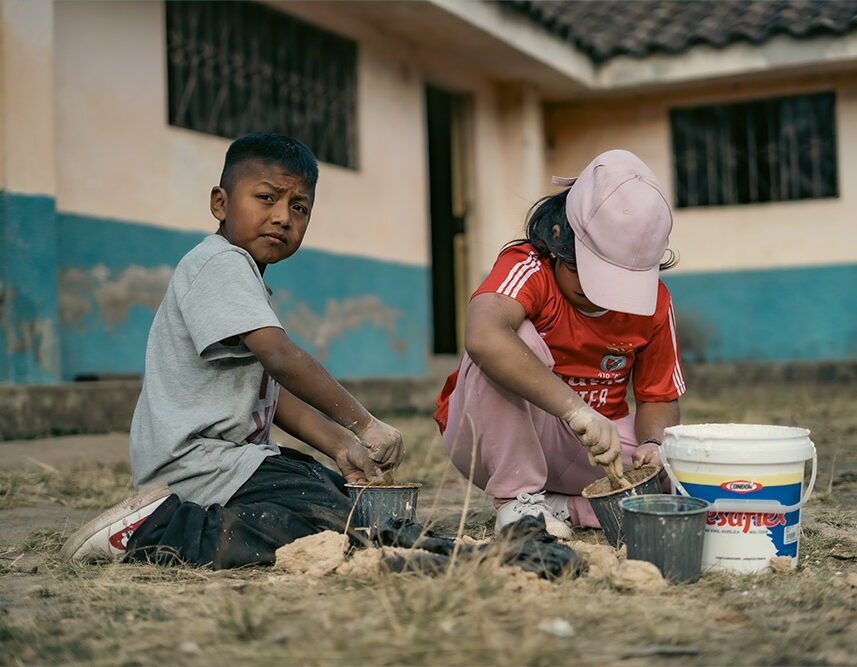
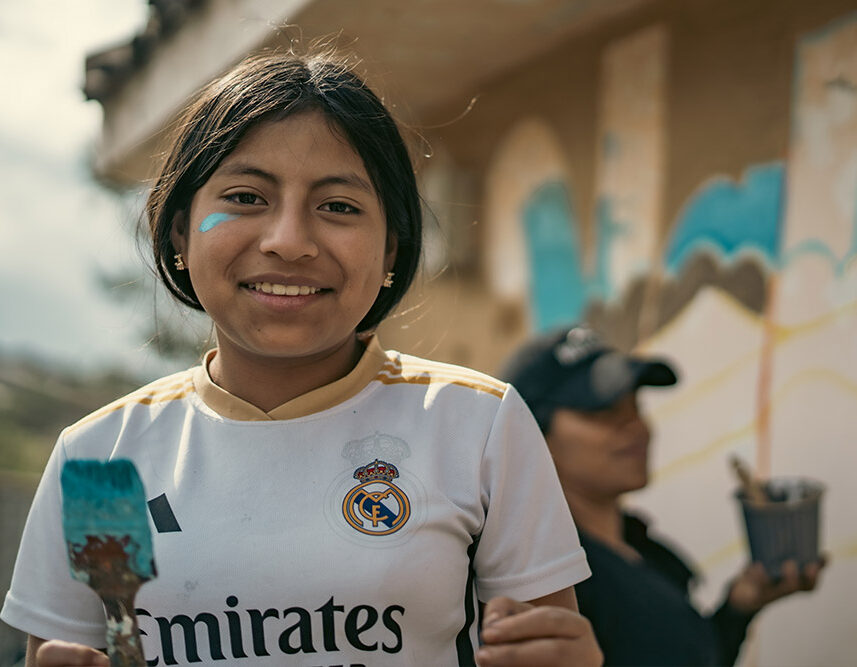
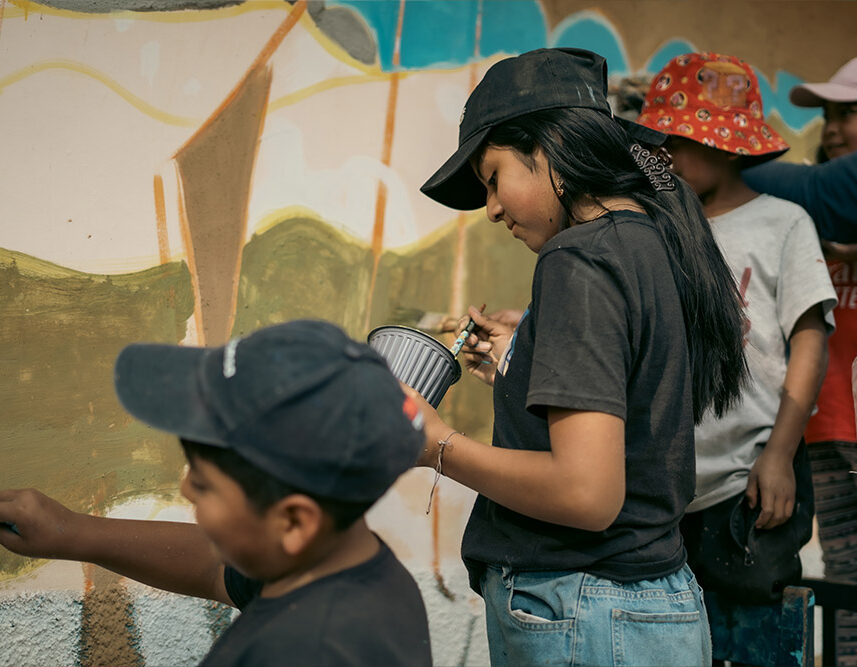
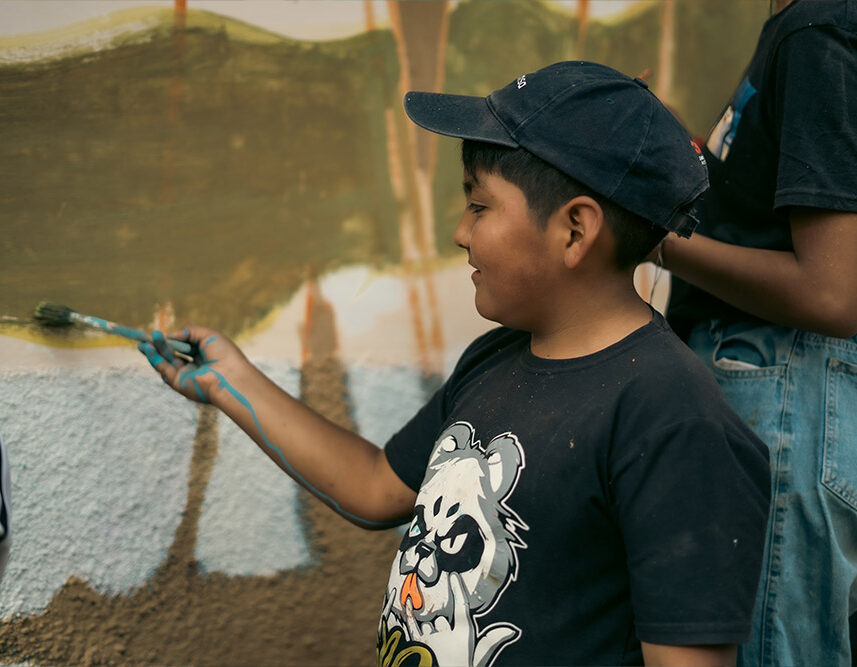
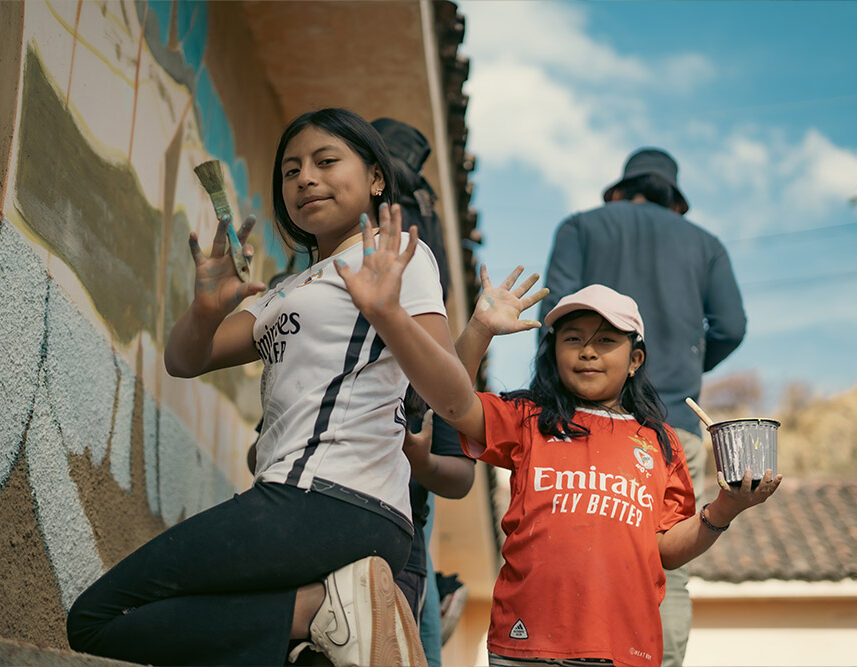
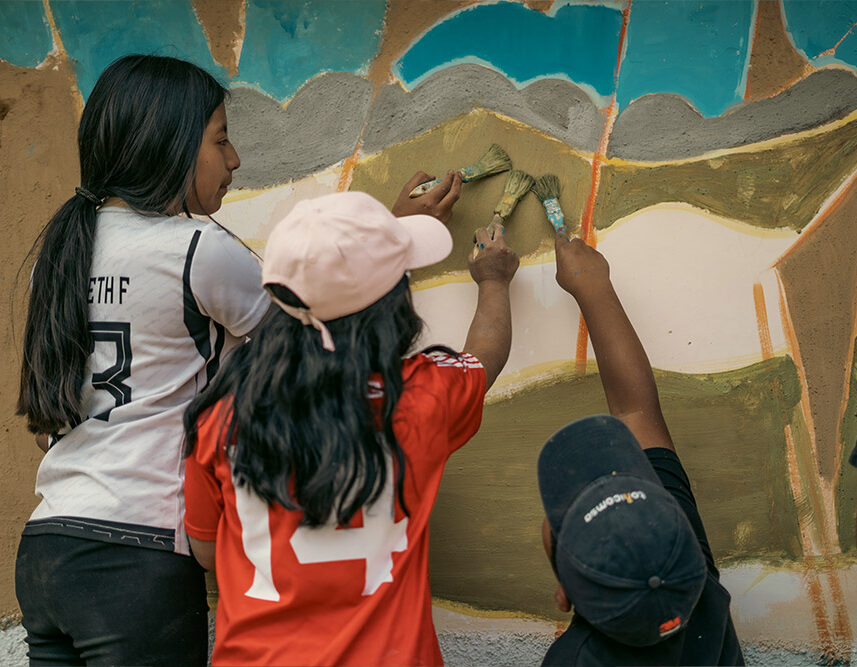
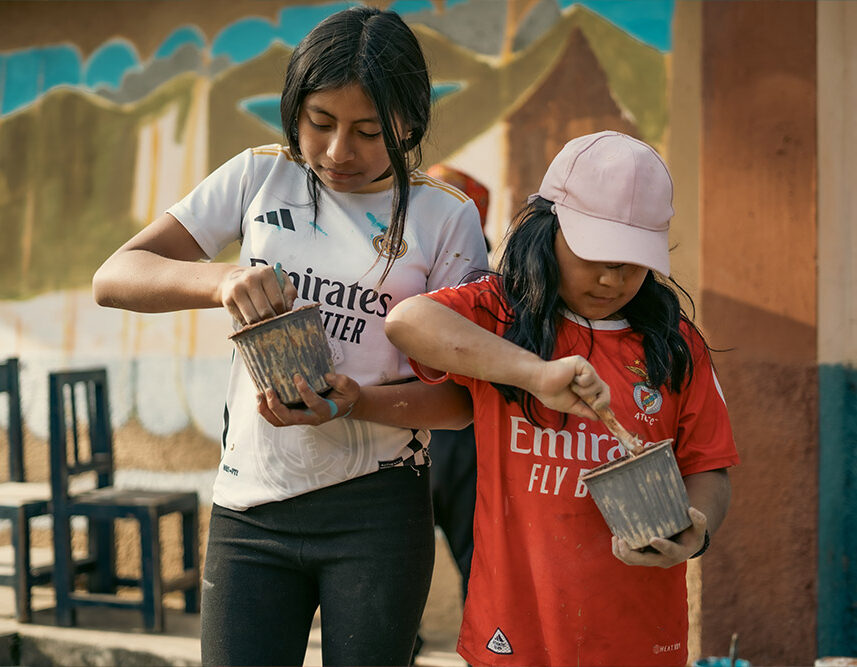
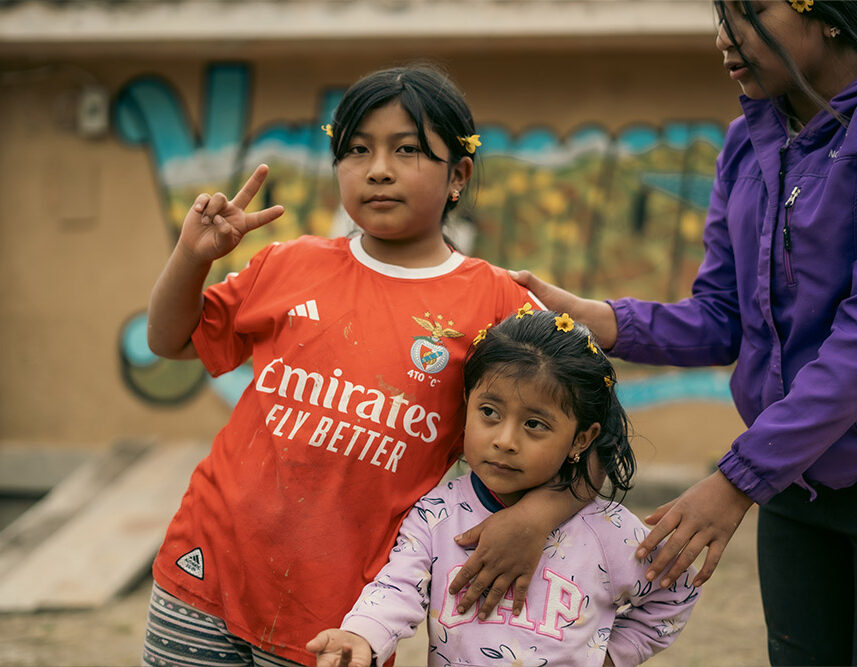
Durante los tres días de trabajo, niños y niñas de diferentes edades ocuparon el espacio con entusiasmo. Mezclaron colores, probaron técnicas nuevas y participaron en cada etapa del proceso. Uno de los aspectos más significativos fue el uso de pigmentos elaborados a partir de tierras de distintos colores provenientes de la propia comunidad. Para muchos de ellos, descubrir que el paisaje podía transformarse en color fue tan importante como la pintura misma.
Mientras las imágenes aparecían poco a poco sobre el muro, también surgían conversaciones. Algunas giraban en torno al dibujo, otras al agua, al páramo o a las experiencias de quienes han participado durante años en los procesos comunitarios relacionados con este recurso. El mural terminó siendo mucho más que una obra terminada: fue una oportunidad para compartir conocimientos entre generaciones.
EN:
For three days, the community hall of Caluquí became a space for gathering, learning, and collective creation. What began as an artistic activity ultimately revealed something deeper: a way of connecting younger generations with the history of their community and the processes that have shaped its relationship with water.
The initiative formed part of the activities developed around the documentary Yakumanta, a Kichwa word that can be translated as “For the Water.” Before the first brushstroke reached the wall, children from the community participated in drawing workshops led by a professional mural artist. Through art, they began exploring questions about territory, the páramo, water sources, and the community experiences that have shaped the management and protection of water over time.
The mural was conceived as a collective creation.
Across the wall of the community hall, the word Yakumanta gradually emerged. Within its letters appeared landscapes familiar to the people of Caluquí: the páramo, water reservoirs, community work, and elements connected to the local history of water stewardship. More than an illustration, the mural became a visual narrative rooted in the memory of the territory.
Throughout the three-day process, children of different ages filled the space with energy and curiosity. They mixed colors, experimented with new techniques, and participated in every stage of the work. One of the most meaningful aspects of the project was the use of pigments made from soils collected within the community itself. For many of the participants, discovering that the landscape could become color was as significant as the act of painting.
As the images slowly appeared on the wall, conversations emerged as well. Some revolved around drawing, while others focused on water, the páramo, and the experiences of those who have spent years participating in community processes related to this vital resource. In the end, the mural became much more than a finished artwork; it became an opportunity for knowledge to move between generations.